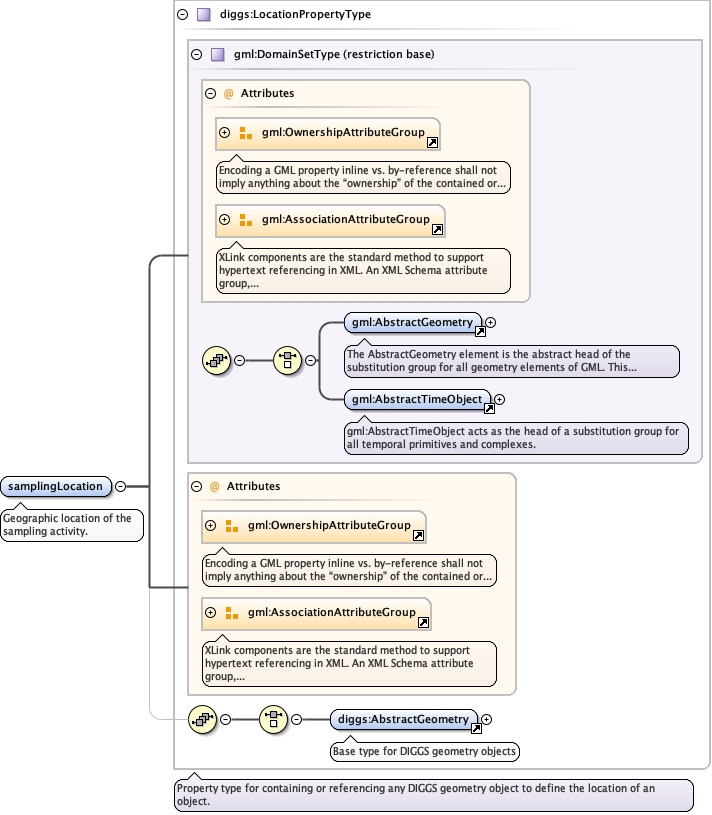
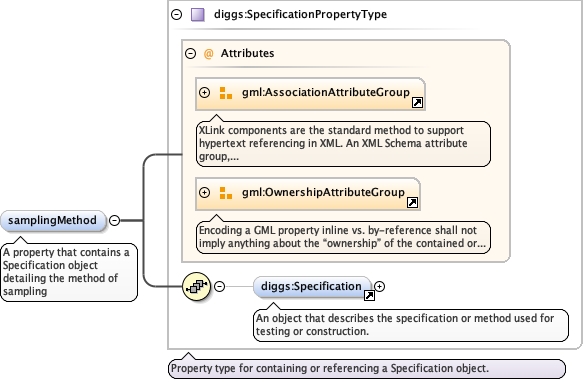
The 'actuate' attribute is used to communicate the desired timing of traversal from the starting resource to the ending resource; it's value should be treated as follows:onLoad - traverse to the ending resource immediately on loading the starting resource onRequest - traverse from the starting resource to the ending resource only on a post-loading event triggered for this purpose other - behavior is unconstrained; examine other markup in link for hints none - behavior is unconstrained
The 'show' attribute is used to communicate the desired presentation of the ending resource on traversal from the starting resource; it's value should be treated as follows: new - load ending resource in a new window, frame, pane, or other presentation contextreplace - load the resource in the same window, frame, pane, or other presentation contextembed - load ending resource in place of the presentation of the starting resourceother - behavior is unconstrained; examine other markup in the link for hints none - behavior is unconstrained
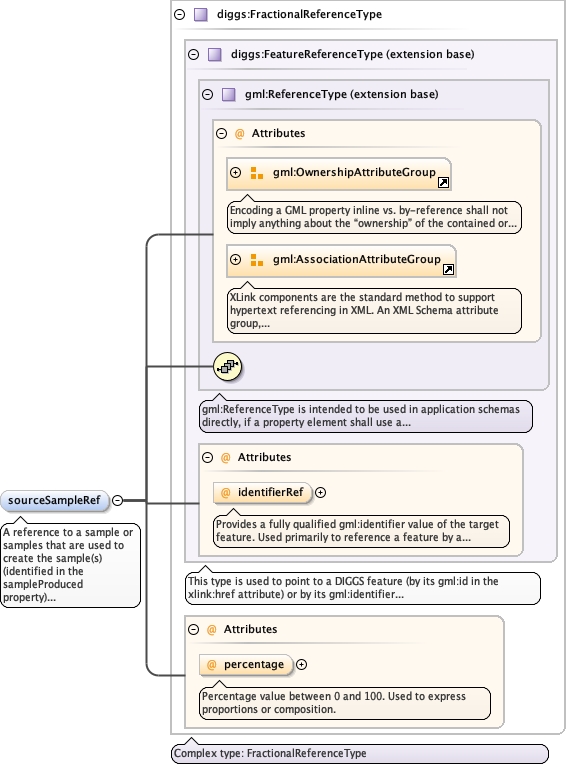
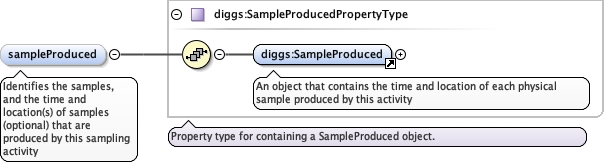
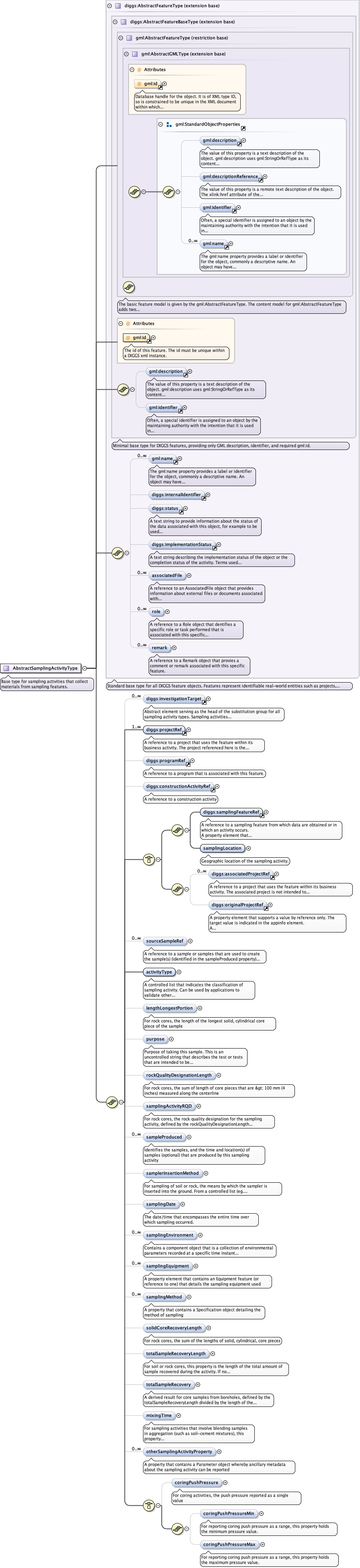
A reference to a sample or samples that are used tocreate the sample(s) (identified in the sampleProduced property)produced by this activity. This element is only used for activitiesthat subsample or aggregate samples from other samples. Foraggregate samples, the percentage attribute optionally defines howmuch of the total new sample is composed from the sourcesample.
Provides a fully qualified gml:identifier value of the targetfeature. Used primarily to reference a feature by a globally uniqueidentifier as opposed to the gml:id
The 'actuate' attribute is used to communicate the desired timing of traversal from the starting resource to the ending resource; it's value should be treated as follows:onLoad - traverse to the ending resource immediately on loading the starting resource onRequest - traverse from the starting resource to the ending resource only on a post-loading event triggered for this purpose other - behavior is unconstrained; examine other markup in link for hints none - behavior is unconstrained
The 'show' attribute is used to communicate the desired presentation of the ending resource on traversal from the starting resource; it's value should be treated as follows: new - load ending resource in a new window, frame, pane, or other presentation contextreplace - load the resource in the same window, frame, pane, or other presentation contextembed - load ending resource in place of the presentation of the starting resourceother - behavior is unconstrained; examine other markup in the link for hints none - behavior is unconstrained
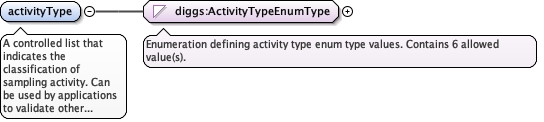
A controlled list that indicates the classification ofsampling activity. Can be used by applications to validate otheractivity info. One of the following strings must be used: collect -activity created a sample or samples by collection from a samplingfeature; aggregate - activity created a sample or samples byaggregating existing samples; the associated Sample(s) shouldcontain more than one sourceSampleRef; subsample - activity createda sample or samples by subsampling an existing sample; only onesourceSampleRef should be specified for the related Sample(s); test- activity produced a test, standard or blank sample that does notrelate to any field sample or sampling feature; activity will pointto a project but no sourceSampleRef nor samplingFeatureRef should bespecified for the associated Sample(s). none - the sample activityfailed to produce any physical sample; unknown - used where noinformation about the sampling activity exists (eg. for legacy datawhere only sample name or label and location (depth) exists).
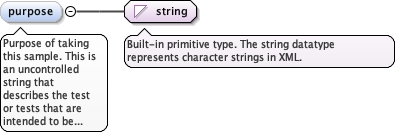
Purpose of taking this sample. This is an uncontrolledstring that describes the test or tests that are intended to be runon the sample(s) generated from this activity.
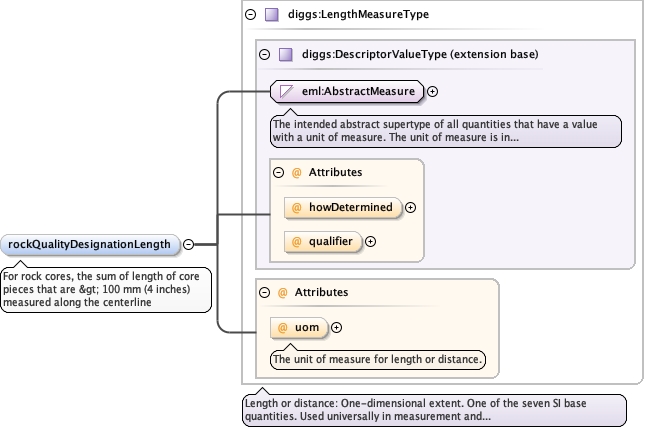
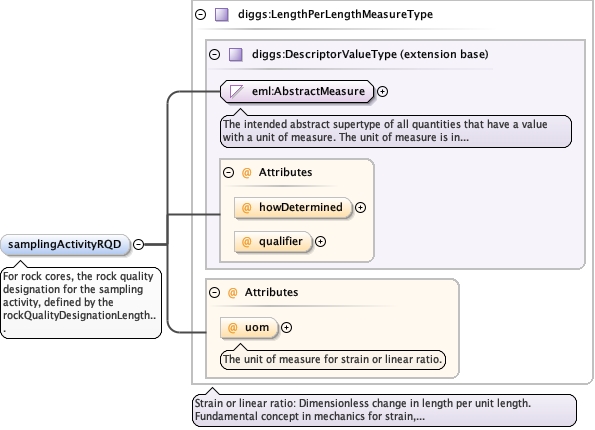
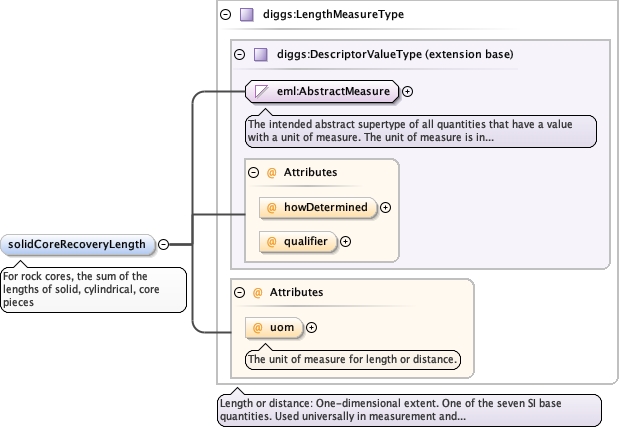
For rock cores, the rock quality designation for thesampling activity, defined by the rockQualityDesignationLengthdivided by the core run (length of sampling activityinterval)
The 'actuate' attribute is used to communicate the desired timing of traversal from the starting resource to the ending resource; it's value should be treated as follows:onLoad - traverse to the ending resource immediately on loading the starting resource onRequest - traverse from the starting resource to the ending resource only on a post-loading event triggered for this purpose other - behavior is unconstrained; examine other markup in link for hints none - behavior is unconstrained
The 'show' attribute is used to communicate the desired presentation of the ending resource on traversal from the starting resource; it's value should be treated as follows: new - load ending resource in a new window, frame, pane, or other presentation contextreplace - load the resource in the same window, frame, pane, or other presentation contextembed - load ending resource in place of the presentation of the starting resourceother - behavior is unconstrained; examine other markup in the link for hints none - behavior is unconstrained
The 'actuate' attribute is used to communicate the desired timing of traversal from the starting resource to the ending resource; it's value should be treated as follows:onLoad - traverse to the ending resource immediately on loading the starting resource onRequest - traverse from the starting resource to the ending resource only on a post-loading event triggered for this purpose other - behavior is unconstrained; examine other markup in link for hints none - behavior is unconstrained
The 'show' attribute is used to communicate the desired presentation of the ending resource on traversal from the starting resource; it's value should be treated as follows: new - load ending resource in a new window, frame, pane, or other presentation contextreplace - load the resource in the same window, frame, pane, or other presentation contextembed - load ending resource in place of the presentation of the starting resourceother - behavior is unconstrained; examine other markup in the link for hints none - behavior is unconstrained
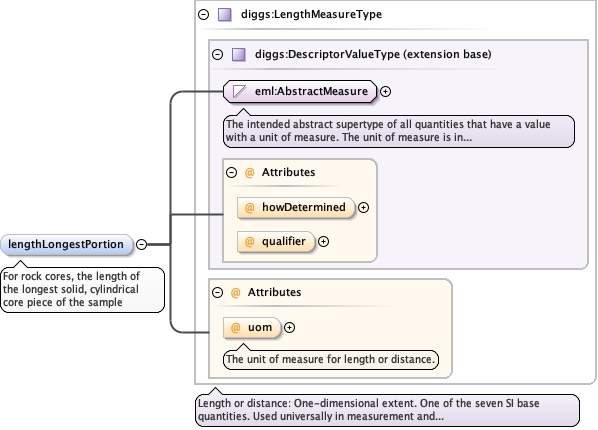
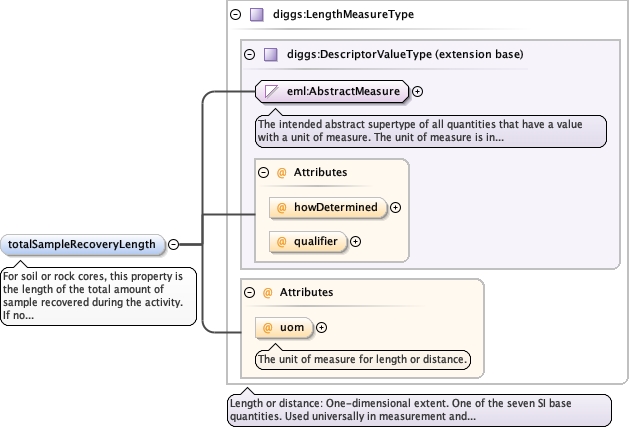
For soil or rock cores, this property is the length ofthe total amount of sample recovered during the activity. If nosample is recovered, this value is 0. This value can also be derivedif totalSampleRecovery is reported.
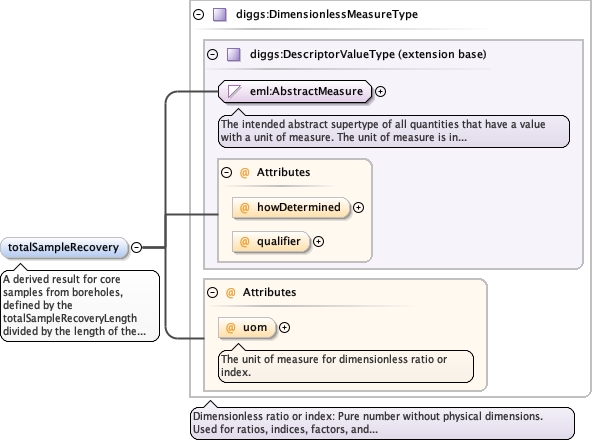
A derived result for core samples from boreholes, definedby the totalSampleRecoveryLength divided by the length of thesamplingActivity intervsl, typically reported as apercent.
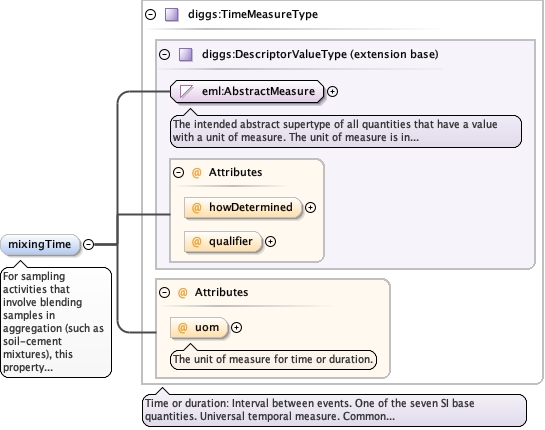
For sampling activities that involve blending samples inaggregation (such as soil-cement mixtures), this property carriesthe time duration to mix the sample together.
Database handle for the object. It is of XML type ID, so is constrained to beunique in the XML document within which it occurs. An external identifier for the object inthe form of a URI may be constructed using standard XML and XPointer methods. This is doneby concatenating the URI for the document, a fragment separator, and the value of the idattribute.